
Order Sinus Infection Treatment Online
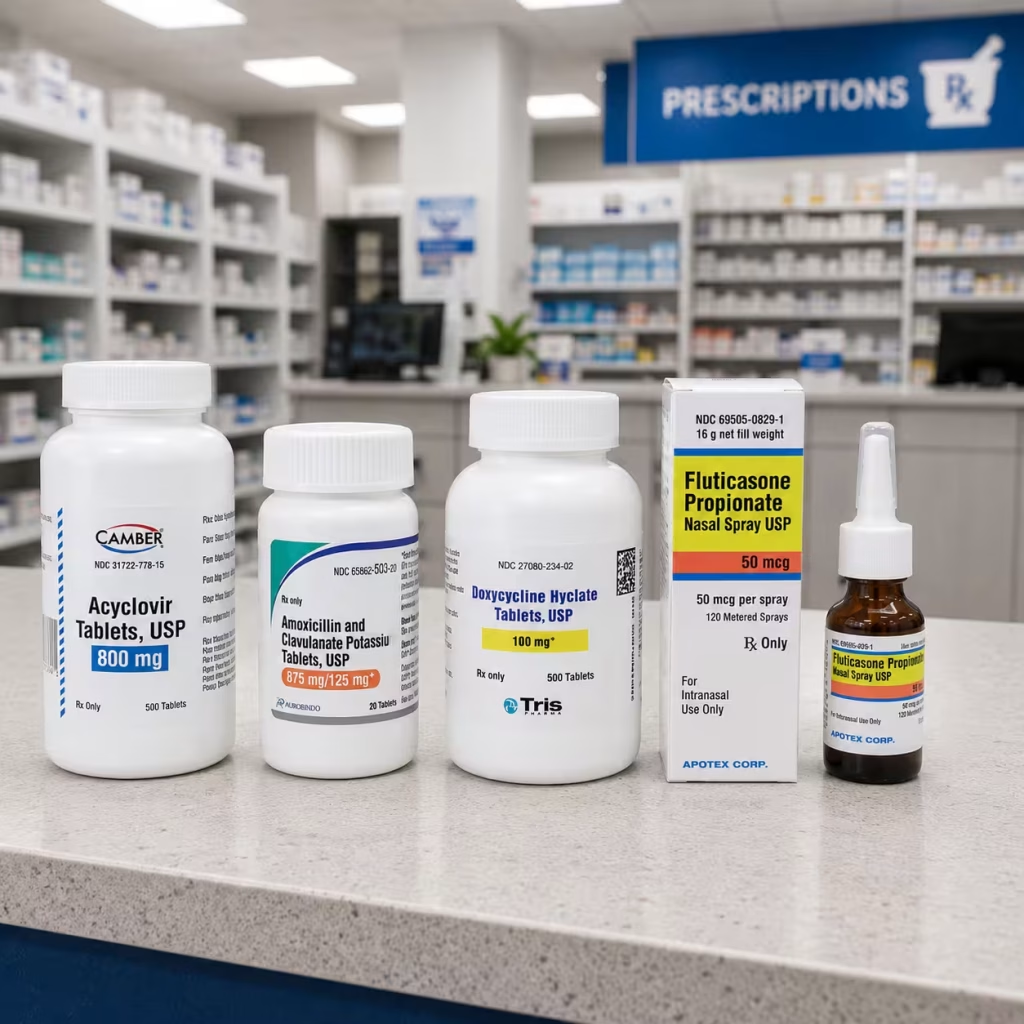
Commonly treated with Amoxicillin/Clavulanate, Doxycycline & Fluticasone Nasal Spray
Medication as Low as $18.00



How It Works
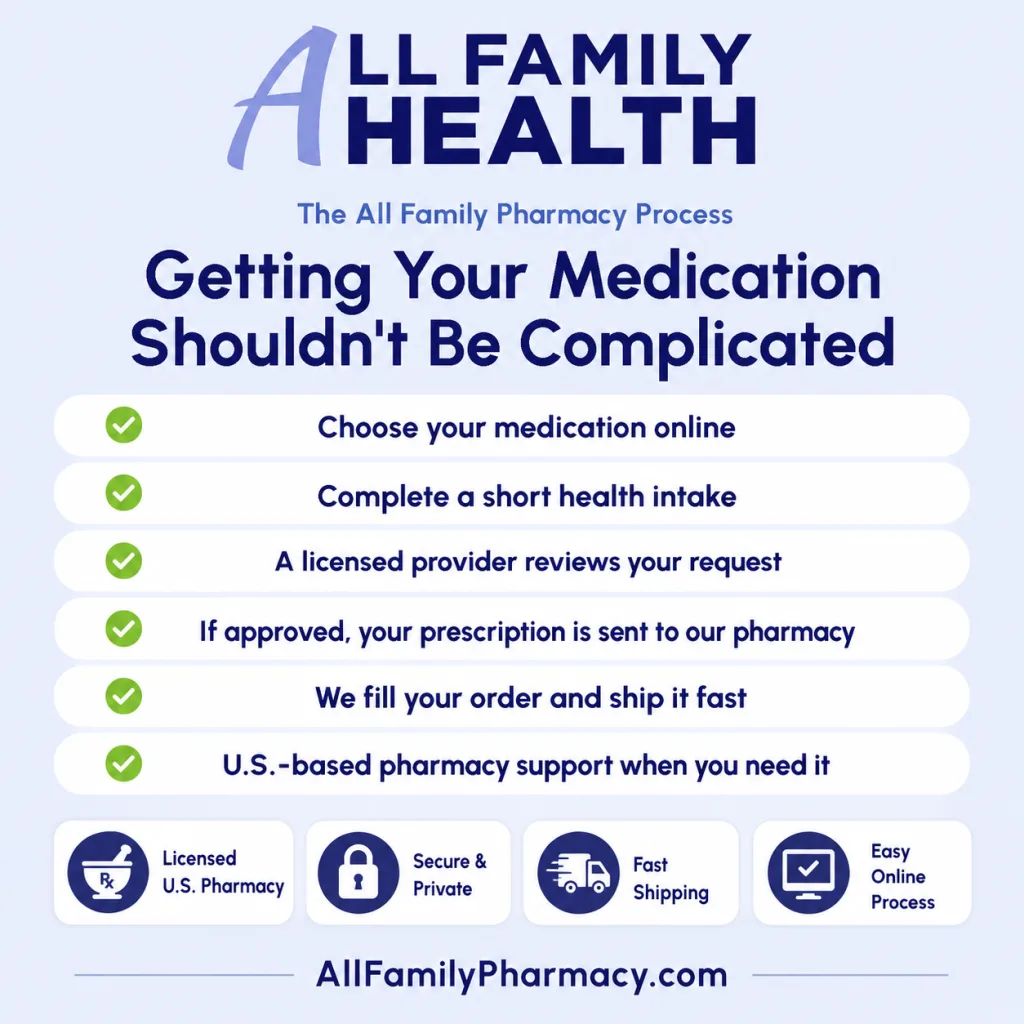
- Step 1Choose TreatmentSelect your treatment and quantity.
- Step 2Complete Health QuestionsAnswer a brief medical intake.
- Step 3Provider ReviewA licensed provider reviews your information.
- Step 4Pharmacy ShipsIf approved, your prescription is filled and shipped.
What patients say
“So far very easy to use and good explanation”
“I LOVE being able to order online prescriptions as needed.”
“I have used All Family Health many times and have never been disappointed. They offer great service and great products.”
“Professional and secure. Safe and efficient process. Thank you!”
“Great Pricing and a great product”
“My order was very easy. Thank you.”
“Very easy to navigate the site”
“Prompt, professional organization.”
“Everything was so simple to do,I can't not be more happy with your business 😁”
“I'm happy I was able to get what I was looking for”
- A one-time provider review fee is added once per order, not per medication
- Transparent pricing with no surprise fees
- Packed and shipped in plain, unmarked packaging
- You only pay if a provider approves your order
- Eligible for HSA and FSA
Choose Your Treatment *
+ $30 provider review & $10 shipping
+ $30 provider review & $10 shipping
+ $30 provider review & $10 shipping
Refill up to 3 times without a new visit — fast processing.
- Medication$20
- Provider review$30
- Shipping$10
- Total$60
Only charged if approved
Need another? Add more above — one $30 review + $10 shipping per order.
✓ In your cart
- Estimated delivery: Mon–Tue, Nov 23–24
See price breakdown
Estimated delivery: Mon–Tue, Nov 23–24
- Step 1Choose TreatmentSelect your treatment and quantity.
- Step 2Complete Health QuestionsAnswer a brief medical intake.
- Step 3Provider ReviewA licensed provider reviews your information.
- Step 4Pharmacy ShipsIf approved, your prescription is filled and shipped.
Choosing and Using Your Treatment
| Treatment | Choose this if… | How to Take |
|---|---|---|
| Amoxicillin and Clavulanate 875mg/125mg | First-line antibiotic for adults with a suspected bacterial sinus infection and no penicillin allergy. Often paired with a nasal steroid spray to reduce sinus swelling and improve drainage. | Take 1 tablet by mouth twice daily for 7 days. |
| Doxycycline Hyclate 100mg | Standard alternative for adults with a penicillin allergy. | Take 1 capsule by mouth twice daily for 7 days. |
| Fluticasone Propionate 50mcg Nasal Spray | Helps reduce nasal swelling and congestion, alone or alongside an antibiotic. Commonly used with an antibiotic when bacterial sinusitis is diagnosed. | Spray 2 sprays into each nostril once daily. |
What is Sinus Infection?
Also called: Sinusitis
Sinusitis is inflammation of the air-filled spaces behind your forehead, cheeks, and nose. When these spaces swell and fill with fluid, germs can grow and cause infection. Most sinus infections start after a cold or from allergies, and the majority are caused by viruses rather than bacteria. Symptoms often include facial pain or pressure, stuffy nose, thick yellow or green mucus, and reduced sense of smell. Acute sinusitis usually improves within 10 days, while symptoms lasting longer, worsening after initial improvement, or that are unusually severe may point to a bacterial infection. Chronic sinusitis is when symptoms persist for 12 weeks or more and may need a different treatment approach.
Common symptoms
- Facial pain, pressure, or fullness around the cheeks, eyes, or forehead
- Stuffy or congested nose that makes breathing difficult
- Thick yellow or green mucus from the nose or down the throat (postnasal drip)
- Reduced or lost sense of smell and taste
- Headache, tooth pain, or ear pressure
- Cough that may worsen at night
- Fatigue, bad breath, or low-grade fever
Causes & risk factors
- Viral infections such as the common cold (the most frequent cause)
- Bacterial infection, often developing after a viral cold lingers or worsens
- Seasonal or environmental allergies that inflame the nasal passages
- Nasal polyps or a deviated septum that block sinus drainage
- Exposure to smoke or other airborne irritants
- Weakened immune system or certain chronic medical conditions
Treatment options for Sinus Infection
Compare the medications offered on this page. Your provider will choose the right one for you based on your answers.
Penicillin-class antibiotic combination
- Good choice if
- First-line antibiotic for adults with a suspected bacterial sinus infection and no penicillin allergy. Often paired with a nasal steroid spray to reduce sinus swelling and improve drainage.
- Typical dosing
- Take 1 tablet by mouth twice daily for 7 days.
Doxycycline Hyclate 100mg
from $20Tetracycline antibiotic
- Good choice if
- Standard alternative for adults with a penicillin allergy.
- Typical dosing
- Take 1 capsule by mouth twice daily for 7 days.
Intranasal corticosteroid
- Good choice if
- Helps reduce nasal swelling and congestion, alone or alongside an antibiotic. Commonly used with an antibiotic when bacterial sinusitis is diagnosed.
- How it works
- Works by reducing inflammation in the nasal passages caused by allergens like pollen, dust, and mold.
- Typical dosing
- Spray 2 sprays into each nostril once daily.
Prices are for the medication only. Provider review and shipping are shown at checkout.
When to see a doctor in person
Online treatment is a good fit for adults with typical sinus infection symptoms — facial pressure, congestion, and thick nasal discharge — especially when symptoms have lasted more than 10 days, are severe, or worsened after starting to improve. Seek in-person or emergency care right away if you have a high fever, swelling or redness around the eyes, vision changes, severe headache, stiff neck, confusion, or symptoms that keep getting worse despite treatment, as these can signal a serious infection spreading beyond the sinuses. Children, people with weakened immune systems, and anyone with recurrent or chronic sinusitis should also be evaluated in person.
Prevention & self-care
- Wash your hands often to avoid colds and other respiratory infections
- Manage allergies with your provider so nasal passages stay clear
- Avoid cigarette smoke and other airborne irritants
- Use a humidifier or saline nasal rinse to keep sinuses moist
- Stay up to date on recommended vaccines, including flu vaccination
- Drink plenty of fluids to help keep mucus thin
- Avoid close contact with people who are sick with colds
Sinus Infection FAQ
What is a sinus infection?
A sinus infection, or sinusitis, is inflammation of the sinuses — the air-filled spaces behind your forehead, cheeks, and nose. Swelling blocks normal drainage, mucus builds up, and germs can grow. Most cases follow a cold or allergies and improve on their own within about 10 days.
Is a sinus infection contagious?
The sinus infection itself is generally not contagious. However, the viruses that often cause sinus infections — like cold viruses — can spread from person to person. Good handwashing and avoiding close contact while sick help prevent spreading those germs.
How long does a sinus infection last?
Most viral sinus infections improve within 7 to 10 days. Bacterial sinus infections may last longer or worsen after initial improvement, and often improve within a few days of starting an appropriate antibiotic. Symptoms lasting 12 weeks or more are considered chronic sinusitis and need medical evaluation.
How to get rid of a sinus infection in 24 hours?
There is no proven way to cure a sinus infection in 24 hours. Rest, fluids, saline nasal rinses, warm compresses, and over-the-counter pain relievers can ease symptoms while your body recovers. If a bacterial infection is diagnosed, antibiotics typically take a few days to bring noticeable improvement.
What to take for sinus infection?
Many sinus infections improve with supportive care such as saline rinses, nasal steroid sprays, and over-the-counter pain relievers. If a provider suspects a bacterial infection, they may prescribe an antibiotic such as amoxicillin-clavulanate, or doxycycline for those with a penicillin allergy. A provider review helps determine whether antibiotics are appropriate.
How to know if you have a sinus infection?
Common signs include facial pain or pressure, nasal congestion, thick yellow or green mucus, reduced sense of smell, and postnasal drip. A bacterial infection is more likely if symptoms last more than 10 days without improving, are severe with fever, or worsen after initially getting better. A provider can help confirm the diagnosis.
How to tell if sinus infection has spread to brain?
Spread beyond the sinuses is rare but serious. Warning signs include severe headache, high fever, stiff neck, confusion, swelling or redness around the eyes, vision changes, or seizures. If you have any of these symptoms, seek emergency care immediately.
How do you get a sinus infection?
Sinus infections most often develop after a viral cold causes swelling that blocks sinus drainage. Allergies, nasal polyps, a deviated septum, and smoke exposure can also raise your risk. Trapped mucus creates an environment where viruses or bacteria can grow.
Viral vs. Bacterial Sinus Infections
Most sinus infections are caused by viruses and do not respond to antibiotics. Providers typically consider antibiotics when symptoms fit a bacterial pattern.
| Feature | Viral (most common) | Bacterial |
|---|---|---|
| Duration | Improves within 7–10 days | Lasts more than 10 days without improving |
| Pattern | Steady improvement | Worsens after initially getting better |
| Severity | Mild to moderate symptoms | Severe symptoms with fever for 3–4 days |
| Treatment | Supportive care (rest, fluids, saline rinses) | May benefit from a prescribed antibiotic |
What to Expect During Recovery
- Congestion and facial pressure usually ease gradually over several days to a week.
- If prescribed an antibiotic, take the full course even if you feel better sooner.
- Saline nasal rinses, humidified air, and staying hydrated can help mucus drain while you recover.
- Contact a provider if symptoms have not improved after finishing treatment, or if they return within a few weeks.